
Session Two: Sound, Space, and the Emotional Architecture of Film
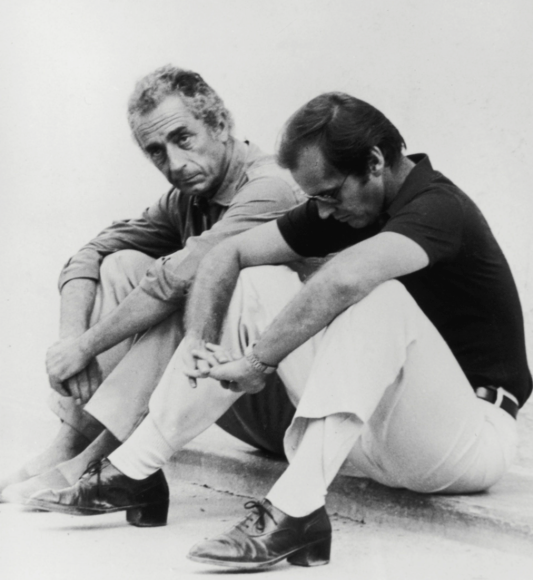
Michaelangelo Antonioni and Jack Nicholson
Red Desert (1964)
Directed by Michelangelo Antonioni
Antonioni’s first color film uses sound, color, and industrial landscape to externalize psychological unease. Factories, fog, machinery, and ambient noise form an oppressive sensory environment that mirrors the inner turmoil of its protagonist. Rather than explaining emotion through dialogue or plot, Red Desert immerses the viewer in a disorienting world where sound and visual texture carry the emotional weight. The film offers a powerful example of how cinema can translate interior states into atmosphere.
Tuesday, January 27th · 7:30 PM (PT) · Live on Zoom
Our second session examines how filmmakers use sound, space, and visual environment to express emotional dislocation and inner experience. Across three eras, we trace a through-line in which landscape conveys anxiety, isolation, and existential unease, from industrial decay to desert highways to anonymous hotel rooms.
Focusing on atmosphere and restraint, we explore how sound design, music, silence, and pacing shape mood and meaning, often carrying emotional weight more than dialogue or plot mechanics. These are psychological portraits told as much through space, color, sound, and distance as through words.
The discussion centers on the viewer’s experience: how sensory elements and spatial design on the canvas guide attention, produce emotional resonance, and allow meaning to emerge through tone, rhythm, and atmosphere rather than overt explanation.
Paris, Texas (1984)
Directed by Wim Wenders
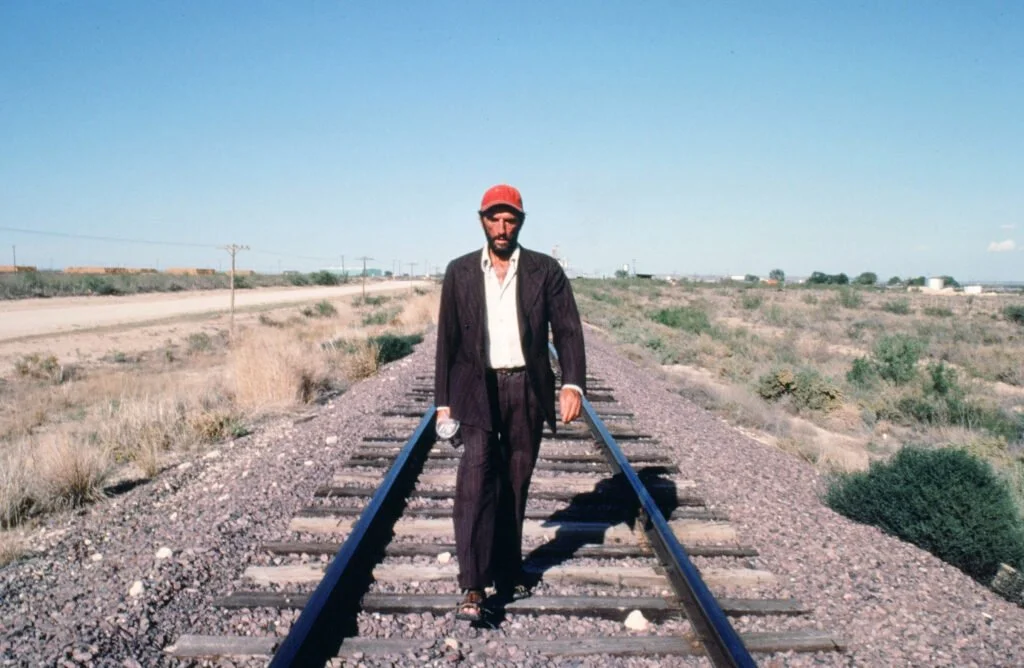
Set against vast American landscapes, Paris, Texas explores emotional distance through restraint and silence. Sparse dialogue, long takes, and Ry Cooder’s minimalist slide-guitar score shape a mood of longing and disconnection. The film allows sound, music, and empty space to speak where characters cannot, creating an intimate portrait of loss and tentative reconciliation. Through its measured pacing and careful sound design, Paris, Texas demonstrates how absence itself can become expressive.
The Passenger (1975)
Directed by Michelangelo Antonioni
Set across North Africa and Europe, The Passenger follows David Locke, a weary war correspondent who impulsively trades identities with a dead acquaintance in hopes of starting anew. He soon learns that the man he has become was involved in arms trafficking, pulling him into a web of danger and deceit. Beneath its thriller surface, the film explores alienation, freedom, and the instability of identity—central preoccupations of Antonioni’s cinema.
Viewing Notes
Nicholson - 2 minute clip on his thoughts of Antonioni >>>
Where to Watch Session Two Films
Many of our series films can be viewed for free via the Public Library apps, Hoopla or Kanopy.
Popular subscriptions, such as Amazon Prime, YouTube Premium, and Netflix, also provide streaming options.
Here are options for viewing the films in Session One:
As always, feel free to reach out with any questions!