
Our Programs
We have built curated themes around specific directors, great producers, The examples below, which we have run, show how MovieClub can shape a film discussion program around a theme, a body of work, or a set of institutional goals.
Each can be customized and adapted to your audience, calendar, and mission.
Documentary as Auteur Cinema
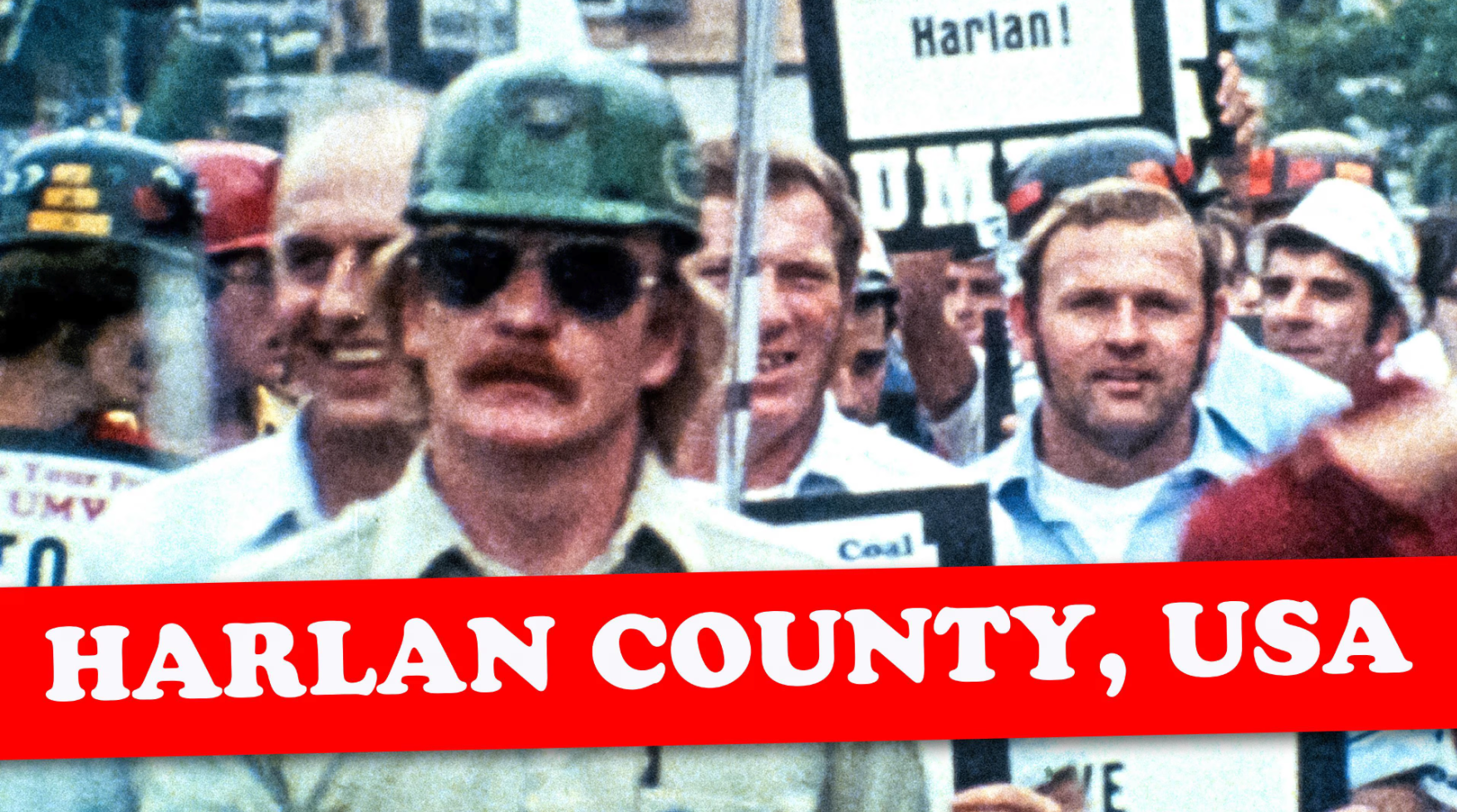
Harlan County, USA
A four-session film discussion program exploring documentary through the lens of authorship. Rather than organizing by subject matter, each session centers on a filmmaker’s methods, obsessions, and lasting contribution to nonfiction cinema.
Format
Four live 90-minute Zoom discussions, with independent viewing in advance, curated prompts, and contextual framing.
Illustrative selections
Albert and David Maysles, Barbara Kopple, Errol Morris, Alex Gibney.
Customization
Can be adapted around documentary ethics, investigative nonfiction, labor and social history, or formal approaches to documentary storytelling.
Women Directors Across Film History
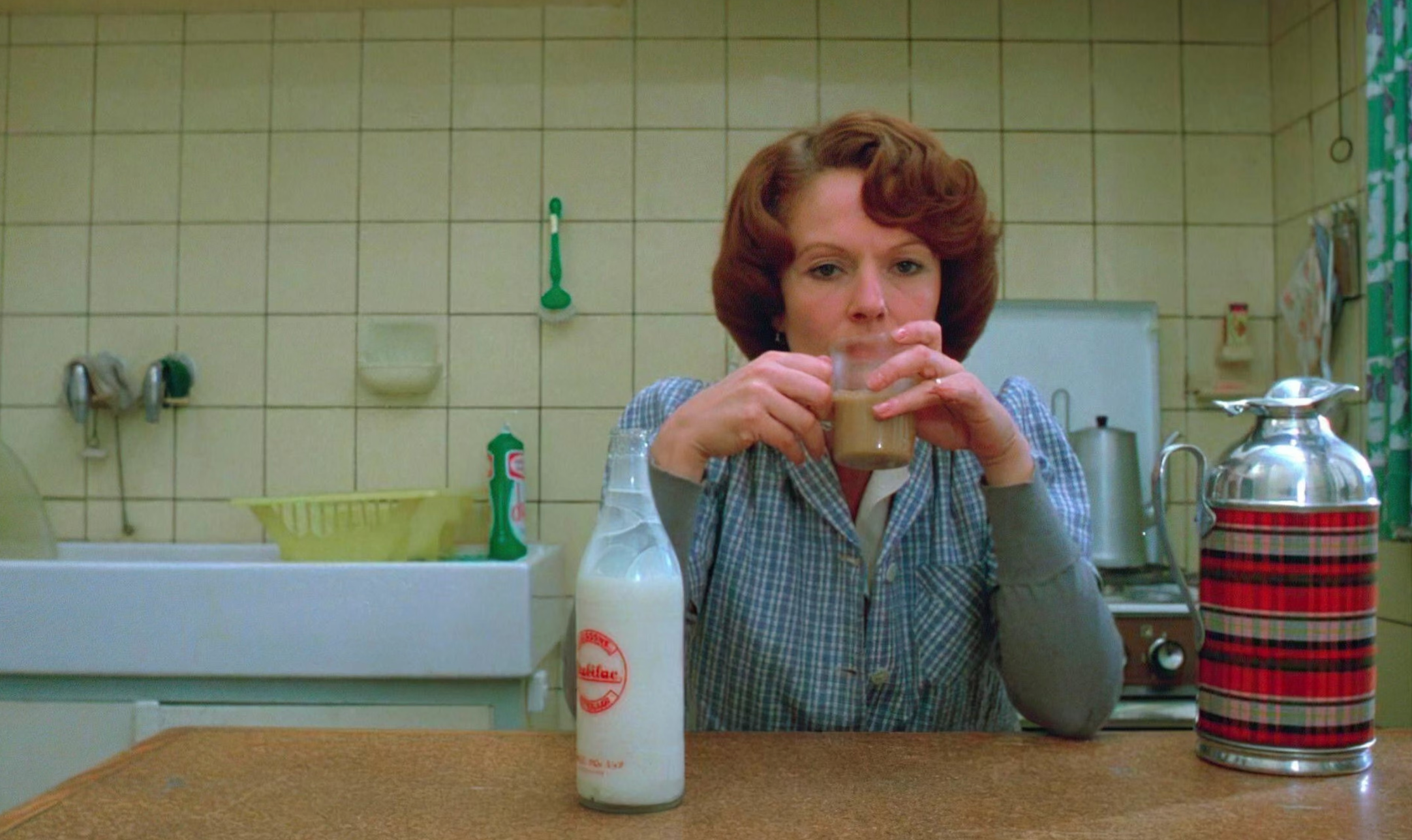
Jeanne Dielman, 23, Quai du Commerce, 1080 Bruxelles
A four-session discussion series on authorship, craft, and the changing place of women directors in film history. Participants watch films independently, then join live moderated conversations that connect close formal analysis to larger cultural and institutional shifts.
Format
Four live 90-minute Zoom discussions, with independent viewing in advance and curated framing materials for each session.
Illustrative selections
Ida Lupino, Elaine May, Nora Ephron, Penny Marshall, Chantal Akerman, Larisa Shepitko, Agnès Varda, Claire Denis.
Customization
Can be adapted around women’s authorship, overlooked film histories, postwar cinema, or changing forms of recognition in film culture.
Science Fiction and Social Imagination
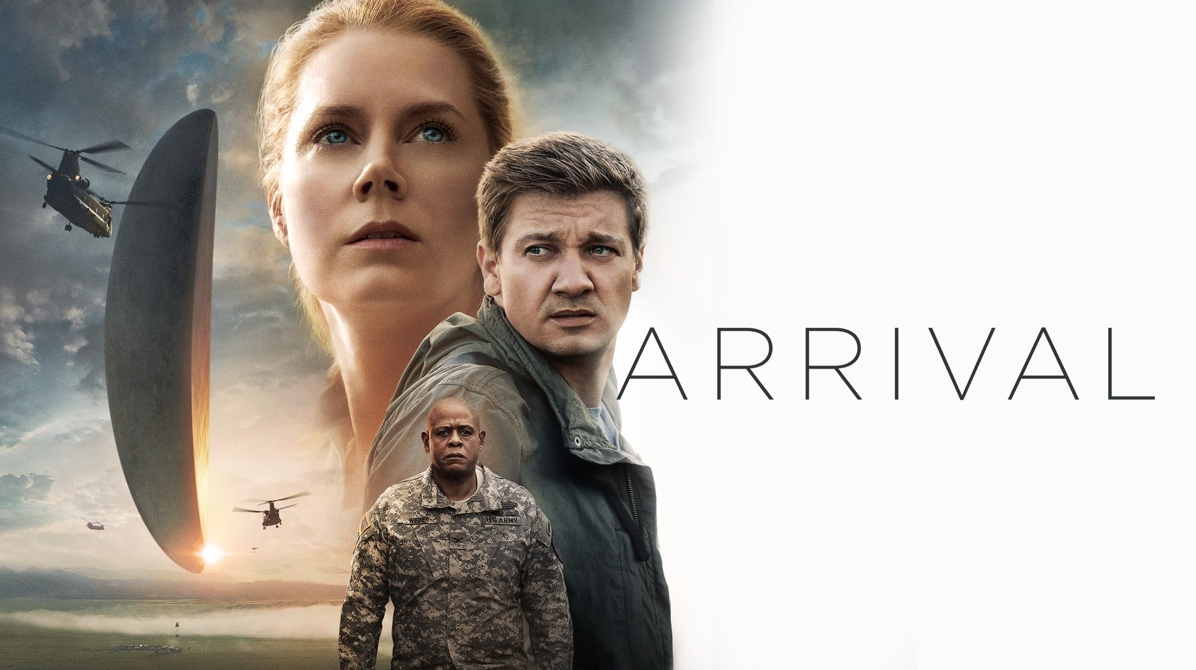
Arrival
A discussion series exploring the history, cultural context, and continuing influence of science fiction cinema. Participants use the films as a way into larger conversations about political fear, technological change, language, bureaucracy, and imagined futures.
Format
Available as a one-session pilot or four-session series, with independent viewing in advance and live moderated discussion.
Illustrative selections
Invasion of the Body Snatchers on Cold War paranoia, 2001: A Space Odyssey on modernity and transcendence, The Matrix on reality and digital life, and Arrival on language, fear, and state response.
Customization
Can be adapted around political allegory, the history of speculative cinema, media and technology, or twentieth- and twenty-first-century cultural anxiety.
Billy Wilder: Comedy, Cynicism, and Precision
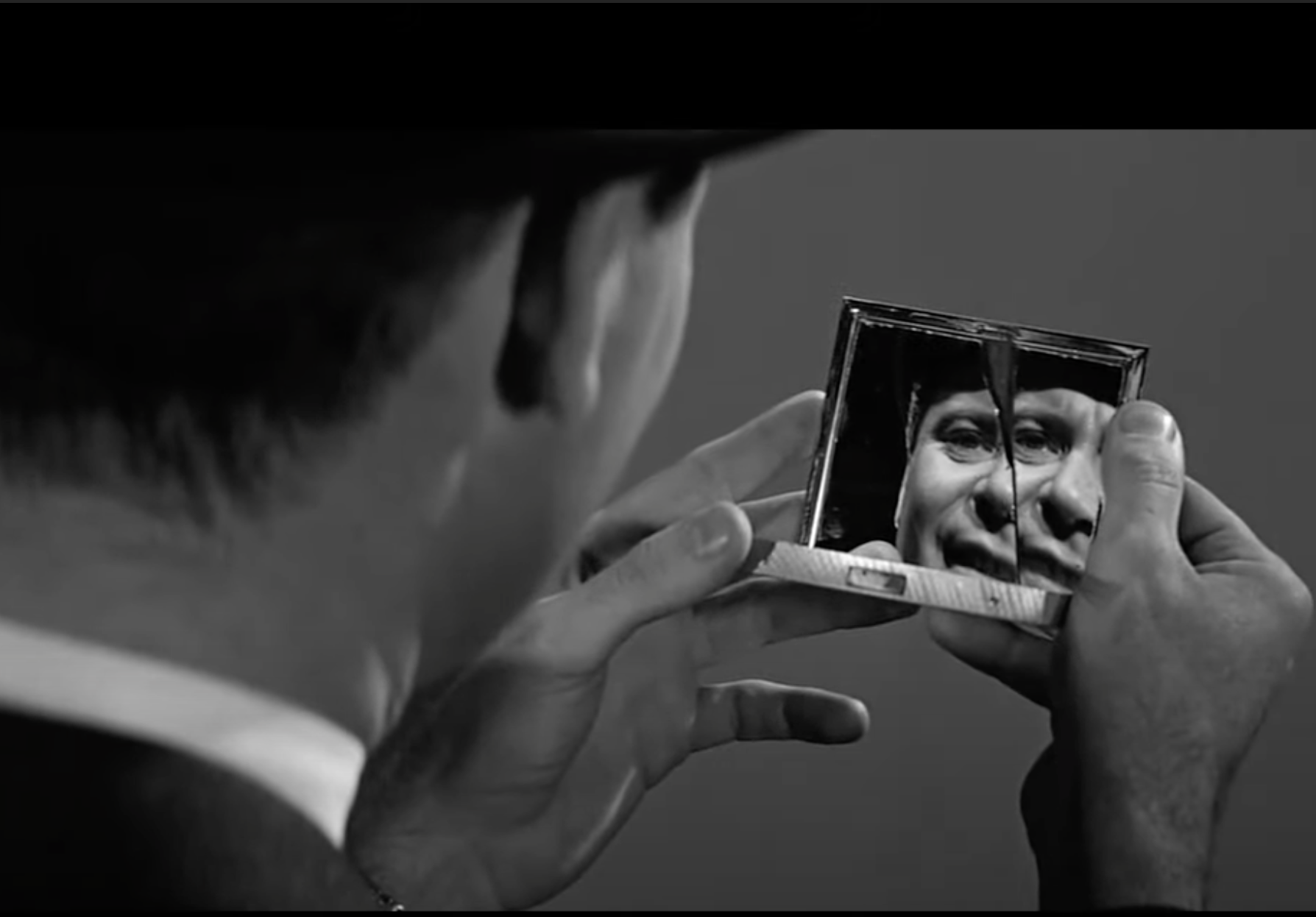
The Apartment
A classic Hollywood discussion series focused on Billy Wilder’s range across noir, social drama, satire, and romantic comedy. The program looks at how Wilder’s storytelling joins formal control, emotional intelligence, and a sharp view of ambition, desire, and American life.
Format
Typically offered as a four-session series, with independent viewing in advance and live discussion.
Illustrative selections
Double Indemnity, The Lost Weekend, Sunset Boulevard, and The Apartment.
Customization
Can be adapted around émigré filmmakers, postwar Hollywood, genre hybridity, or the relationship between comedy and moral seriousness in studio-era cinema.
Need something more tailored?
MovieClub can build a program around an exhibition, collection, anniversary, donor event, public humanities theme, or audience-development goal.